Picture this, I am sitting on the sofa working away in my corporate job when I “hear” (not audibly), “Lisa, you need to be a Life Coach.”
Me: “I’m sorry what? First, who the hell is “talking to me and have I finally gone insane?” Secondly, “What in the world is a Life Coach?”
Good old Google helped me out. As I read and began to research, I just knew. I had already been ‘doing this work’ years ago and something inside me knew this was the right path for me. More researching, finding the perfect Certification and Accreditation program for me. Off I went into the world of training to be a Life Coach.
Here is where I landed. Holistic Life Coaching & Grief Coaching. Why? Because I believe we can eat all the kale in the world but if we have toxic relationships, a job we hate, no amount of kale will make us healthy.
If you are like me and wonder what on earth does a coach do and why would I hire one. I understand! I have a coach!
I have provided a few points below that I hope will help, specifically Holistic Life Coaching.
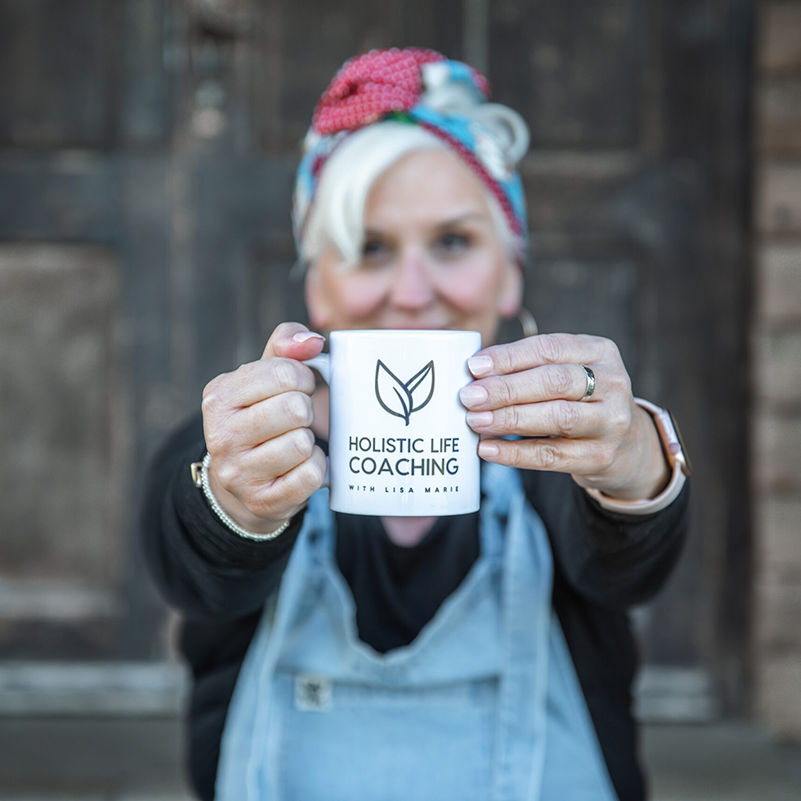
What Is a Holistic Life Coach?
Simply put, I consider the WHOLE person. I take a comprehensive approach, addressing all aspects of a person’s life: mental, emotional, physical, spiritual, and social well-being.
Main Areas of Focus of a Life Coach:
- Mind: Mental clarity, thought patterns, mindset shifts.
- Body: Physical health, fitness, nutrition, and self-care.
- Soul/Spirit: Spiritual practices, purpose, and mindfulness.
- Emotions: Emotional intelligence, healing from trauma, stress management.
- Relationships: Communication, boundaries, social connections.
Great Lisa, but what does this mean in real terms.
What does it mean to be a life coach?
As a Life Coach I work with clients 1:1 with a very specific Personalised Approach: Every individual is unique, and I tailor my approach based on the client’s needs, challenges, and life context.
- Some Tools and Techniques: This is NOT an exhaustive list. I have a lot of tools in my toolbelt. Such as:
- Meditation and/or mindfulness practices
- Identifying core values
- Building the skill of confidence
- Visualisation exercises
- Creating healthy boundaries
- Focusing on healthy habits
- Journaling for self-reflection
- Goal Setting and Action Plans: While the focus is on overall well-being, it is imperative to set tangible, actionable goals. The focus is often on achieving long-term life changes rather than quick fixes.
You can talk all day long but without action, it’s just talk!
What is the difference between coaching and mentoring
Keep your eyes open for the “What is mentoring” blog where I will break down what a mentor does and why you may choose to hire a mentor instead of a coach.
Life Coaching:
Structured and Short-Term: Coaching relationships are often more structured and goal-focused, typically lasting for a set period (e.g. 6, 8, or 10 sessions).
Professional, Equal Partnership: Coaches and clients work together as equal partners. The coach provides guidance, but the client takes the lead in their own development.
Mentoring:
Long-Term, Developmental Relationship: Mentoring relationships often span a longer period and may evolve more organically. The mentor offers ongoing support as the mentee grows. Typically lasting 6 months to 1 year.
Guidance from Experience: The mentor usually has more experience and shares insights, advice, and wisdom from their own career or life journey.
I would love for you to share this with someone who would benefit.